
A Cultural and Culinary Journey Through Nepal’s Traditional Flavors
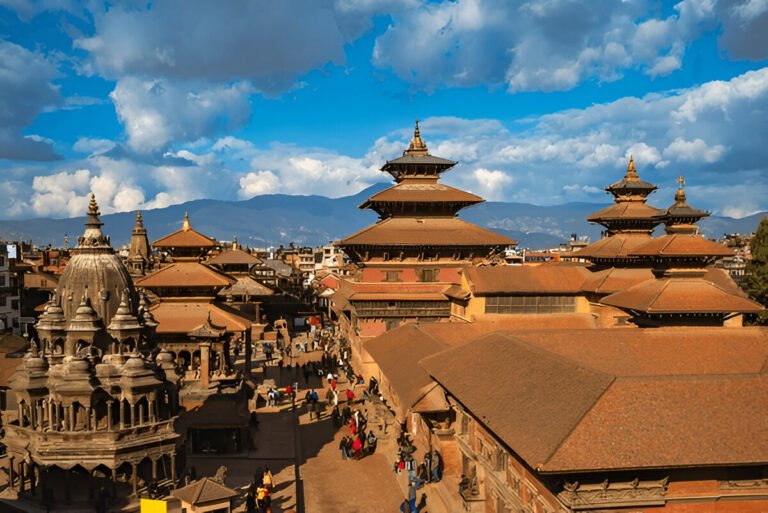
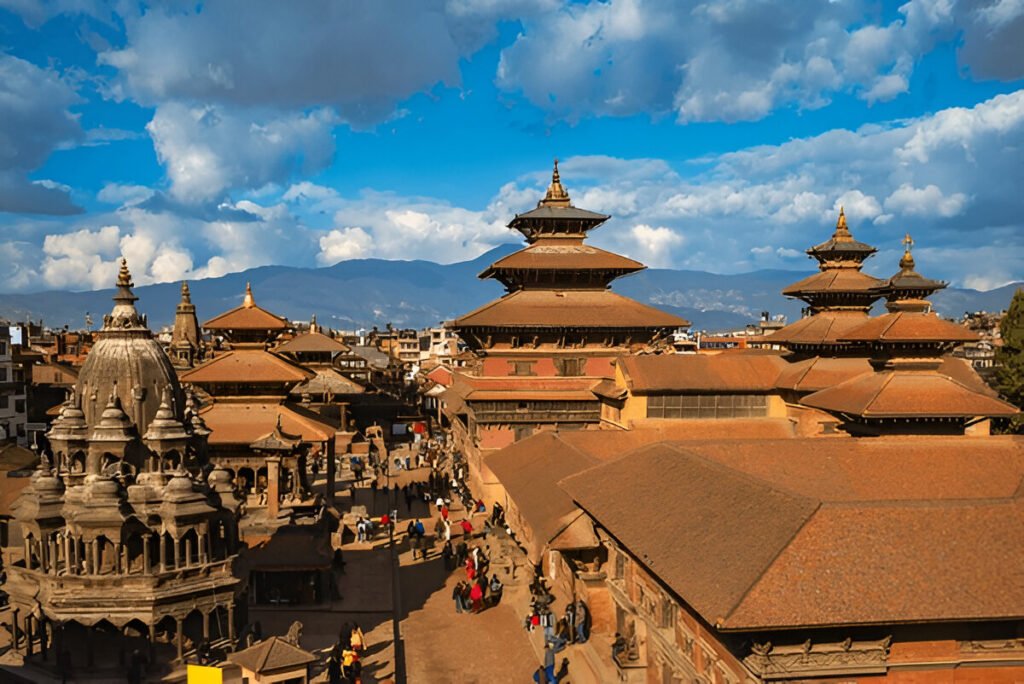
Traveling to Nepal is often imagined through Himalayan peaks, ancient temples, and spiritual journeys. But to truly understand the country, you must experience its food. Nepali cuisine is not just about taste; it is about culture, geography, history, and hospitality. Every dish reflects how people live, celebrate, and connect with their land.
Unlike many global cuisines shaped by restaurants and trends, Nepali food remains deeply home-centered and tradition-led. Meals are seasonal, locally sourced, and designed for nourishment rather than indulgence. For travelers, this makes Nepali cuisine feel honest, grounding, and memorable.
This guide brings together the most recommended authentic Nepali dishes every traveler should try from everyday meals to festive specialties, while helping you understand their cultural significance. More than a food list, this is a journey through Nepal’s living traditions.
Why Nepali Cuisine Is Different from What Travelers Expect
Nepali food is shaped by:
- Diverse geography: Himalayas, hills, and plains
- Ethnic communities: Newar, Thakali, Gurung, Sherpa, Tamang, Madhesi
- Seasonal cooking: Fermentation, sun-drying, and preservation
- Balanced nutrition: Meals designed for long days and physical endurance
Spices are used thoughtfully, not excessively. Oil is minimal. Meals are often shared. Food is not rushed. This philosophy makes Nepali cuisine especially comforting for travelers adjusting to altitude, walking-heavy itineraries, and new environments.
1. Nepali Khana Set - The Foundation of Everyday Life
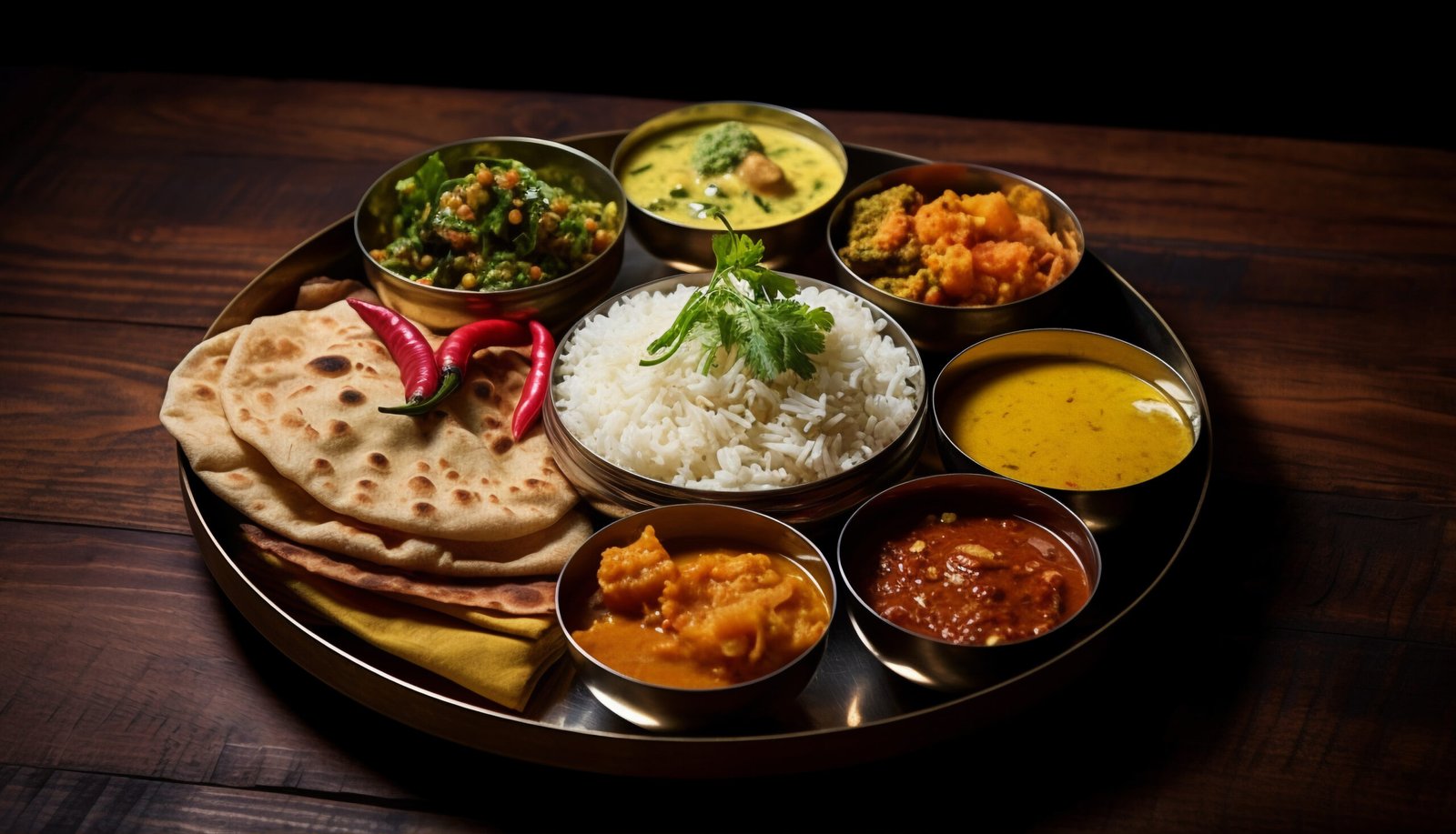
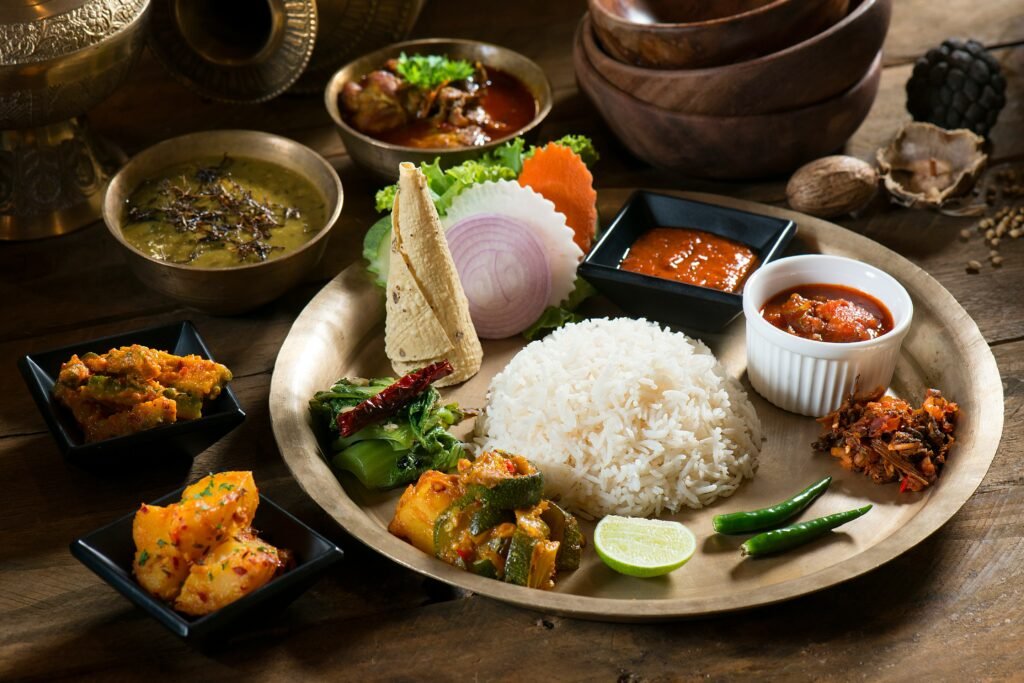
At the heart of Nepali cuisine is the Nepali Khana Set, a complete traditional meal eaten daily across the country.
A typical set includes:
- Dal(lentil soup)
- Choice of Bhaat (steamed rice) or Dhido (traditional millet, buckwheat, or corn porridge)
- Seasonal vegetable curry (tarkari)
- Pickles (achar)
- Leafy greens (saag)
- Optional meat curry
The beauty of a Nepali Khana Set lies in its balance protein, fiber, carbohydrates, and probiotics all in one plate.
Why travelers should try it:
This is how Nepal truly eats. It offers the most authentic introduction to local life and food culture.
2. Momo - Nepal’s Beloved Comfort Food
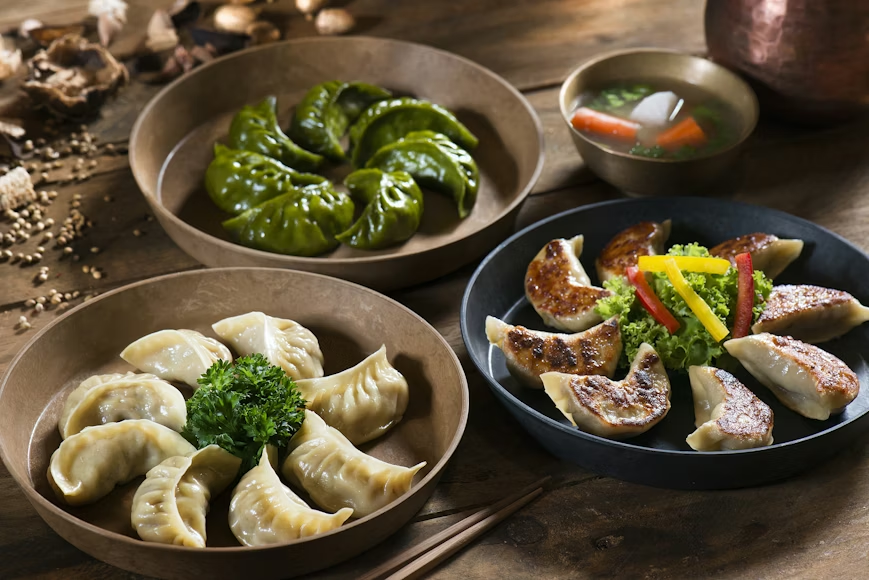
No visit to Nepal is complete without momo. These soft dumplings are filled with buff, chicken, or vegetables and served with a bold tomato-sesame chutney.
Though influenced by Tibetan cuisine, Nepali momos are distinct lighter wrappers, spicier sauces, and deeply comforting flavors.
Why travelers love it:
Momos are easy to enjoy, widely available, and perfect for both first-time visitors and seasoned travelers.
3. Thukpa - Warmth from the Himalayas
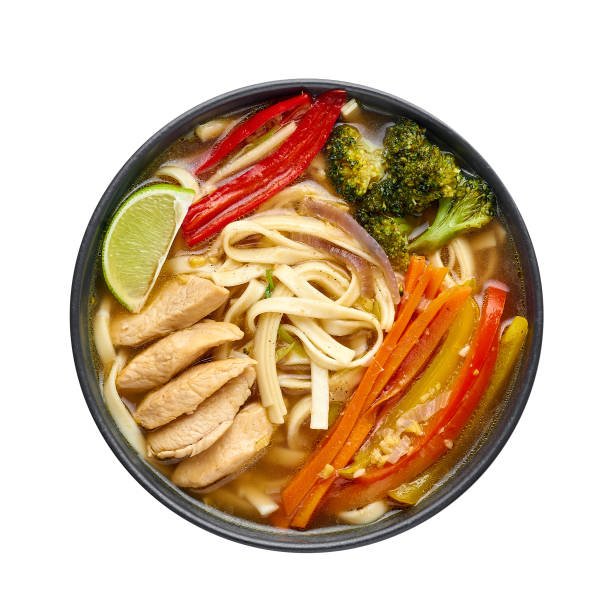
Thukpa is a hearty noodle soup originating from Himalayan communities. Made with vegetables, meat, garlic, and gentle spices, it is especially popular in colder regions and evenings.
Why it matters:
Thukpa reflects mountain life simple, warming, and nourishing, making it ideal after long walks or cool nights.
4. Samay Baji - The Soul of Newari Cuisine
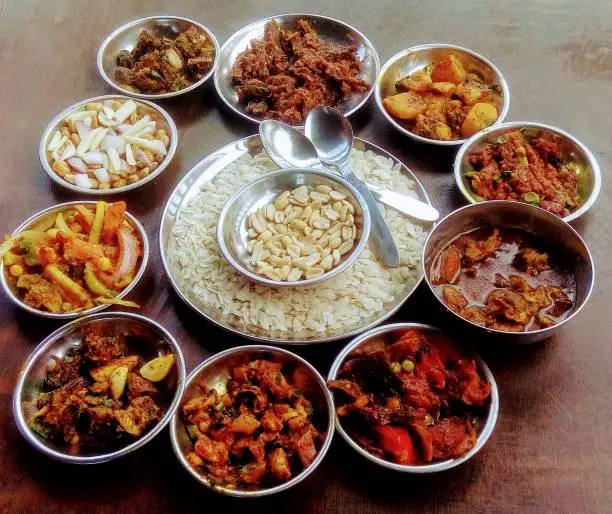
Often confused as a single dish, Samay Baji is actually a complete traditional Newari platter served during rituals and celebrations.
It typically includes:
- Beaten rice
- Choila (spiced grilled meat)
- Boiled egg
- Black soybeans
- Pickles
- Chatamari
Why it’s special:
Samay Baji represents community, ritual, and respect food meant to be shared, not rushed.
5. Sekuwa - Nepal’s Favorite Grilled Delight
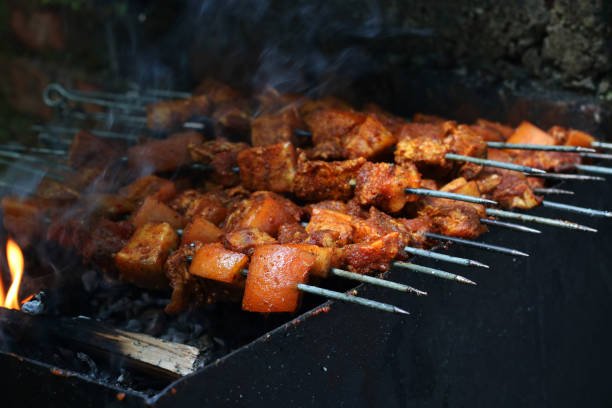
Sekuwa is Nepal’s answer to grilled street food. Made from marinated meat grilled over charcoal, it is smoky, juicy, and packed with flavor.
Found especially in eastern Nepal and popular nationwide, sekuwa is often enjoyed with onions, chili, and lemon.
Why travelers love it:
It’s bold, rustic, and perfect for those who enjoy authentic local street flavors.
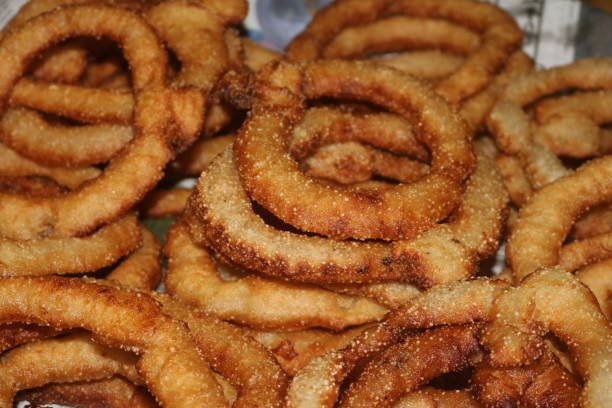
6. Sel Roti - A Taste of Nepali Festivals
Sel Roti is a traditional homemade rice bread crispy on the outside, soft inside, and lightly sweet. It is prepared during major festivals like Dashain and Tihar.
Often paired with yogurt or vegetable curry, sel roti symbolizes celebration and family gatherings.
Why it matters:
Sel Roti is not everyday food it represents joy, tradition, and festivity.
7. Yomari - A Sweet with Cultural Roots
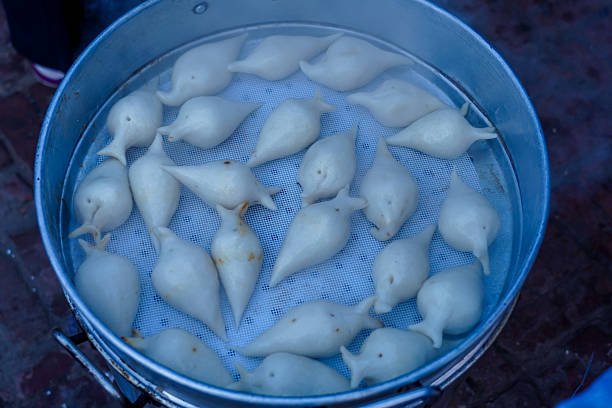
Yomari is a steamed rice-flour dumpling filled with sweet molasses and sesame seeds. Traditionally prepared during the Newari festival Yomari Punhi, it is deeply symbolic.
Why travelers should try it:
Yomari is a seasonal delicacy that offers insight into Newari beliefs and rituals.
8. Juju Dhau - The King of Yogurt from Bhaktapur
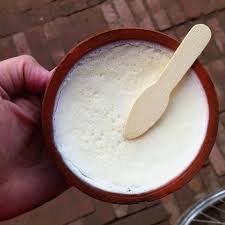
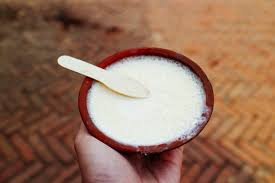
Known as the “King of Yogurt,” Juju Dhau is a thick, creamy yogurt originating from Bhaktapur.
Made using traditional methods and local milk, it has a naturally rich sweetness and velvety texture.
Why it’s unique:
Juju Dhau is geography-specific its taste changes if made elsewhere; making it a true cultural treasure.
9. Sukuti - Nepal’s Traditional Dried Meat Delicacy
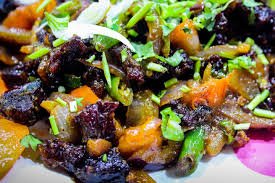
Sukuti is one of Nepal’s most distinctive traditional meat preparations. The word literally means dried meat, but the process and flavor go far beyond simple preservation. Thin strips of meat traditionally buffalo are marinated with salt, spices, and sometimes smoked or sun-dried before being lightly fried or grilled.
Sukuti is commonly served:
- As a spicy appetizer with onions, chili, and herbs
- Alongside beaten rice (chiura)
- With a splash of lemon and local spices
Originally developed as a way to preserve meat in mountainous regions, sukuti has evolved into a beloved delicacy enjoyed during gatherings, celebrations, and casual evenings alike.
Why travelers should try it:
Sukuti offers a bold, smoky flavor that reflects Nepal’s traditional lifestyle resourceful, flavorful, and deeply rooted in heritage. It’s an excellent dish for those who enjoy rustic, authentic tastes that can’t be replicated outside Nepal.
Why Sukuti Completes the Nepali Food Experience
Adding sukuti fills an important cultural gap in the guide it represents:
- Traditional preservation techniques
- Mountain and hill food culture
- The social side of Nepali dining, where snacks are shared, not rushed
It perfectly complements dishes like sekuwa and samay baji, adding depth to the overall culinary journey.
10. Tongba - A Traditional Himalayan Beverage (alcoholic beverages)
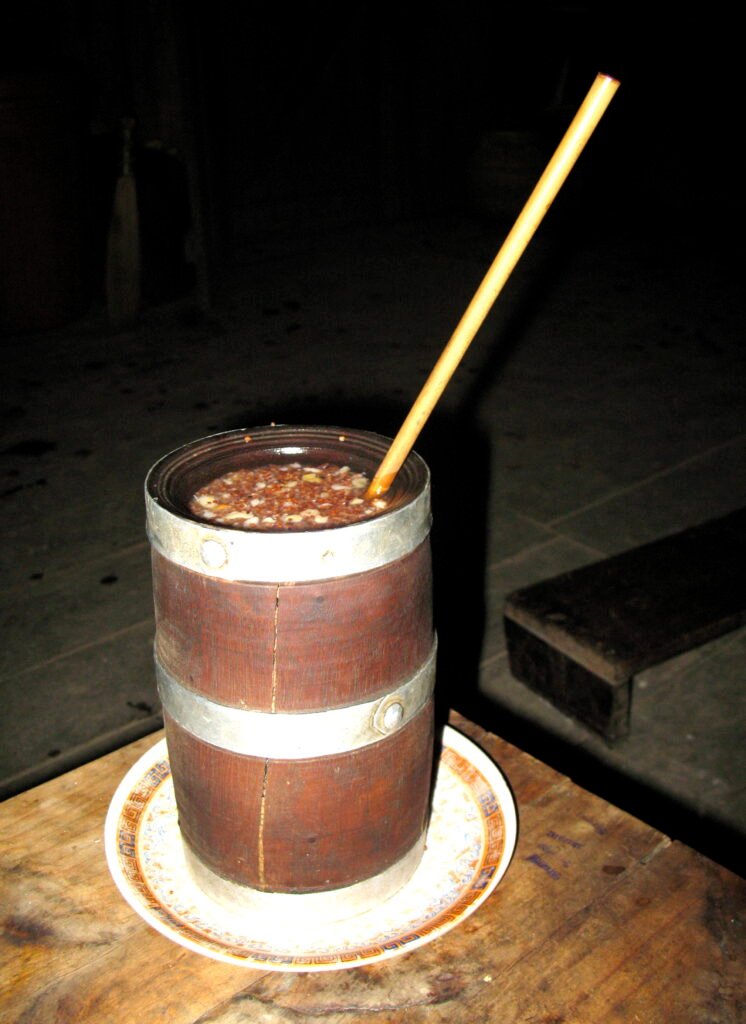
Tongba is a warm fermented millet drink traditionally consumed in eastern Nepal and Himalayan regions. Served in a wooden container and sipped through a bamboo straw, it is slowly refilled with hot water.
Why travelers find it fascinating:
Tongba is not just a drink it’s an experience tied to climate, community, and tradition.
What Most Food Guides Miss About Nepali Cuisine
Many food blogs list dishes but miss what truly defines Nepali food:
- Meals are communal, not individual
- Food is eaten slowly, often with conversation
- Recipes are passed through generations
- Hospitality is expressed through feeding guests
In Nepal, offering food is offering respect. Understanding this transforms eating into cultural immersion.
Where to Experience Authentic Nepali Food While Staying in Kathmandu
Exploring Nepali cuisine is best done when you stay close to the cultural heart of the city.
Located in the vibrant center of Kathmandu, Hotel Jampa offers travelers the perfect base to discover Nepal’s culinary heritage.
From easy access to traditional eateries and heritage neighborhoods to a calm, thoughtfully designed retreat after a day of exploration, Hotel Jampa blends comfort with cultural connection.
Whether you spend your day tasting momos in hidden alleys, exploring Newari cuisine, or enjoying traditional sweets like Juju Dhau, returning to Hotel Jampa allows you to reflect, relax, and continue your journey with ease.
Final Thoughts
Nepali cuisine is not about luxury it is about authenticity, balance, and heart. Every dish tells a story shaped by land, community, and tradition.
When you travel to Nepal, don’t just see the country taste it. Sit down for a full Nepali Khana Set, share a Newari feast, sip Thongba, and enjoy sweets made for festivals.
And when you choose a place to stay that keeps you close to these experiences, Hotel Jampa becomes more than accommodation it becomes part of your Nepali journey.