
Experience Culture with Hotel Jampa
Nepal is a country rich in traditions, where celebrations are deeply connected to spirituality and community life. Unlike the Gregorian calendar, we follow a lunar calendar, meaning festival dates are based on the phases of the moon and change every year. This makes each celebration unique and spiritually significant.
For travelers staying at Hotel Jampa in Kathmandu, experiencing these festivals offers a deeper connection to Nepal’s culture, people, and traditions.
Here is a detailed overview of the major festivals celebrated in Nepal, along with their cultural significance and traditions.
Bisket Jatra
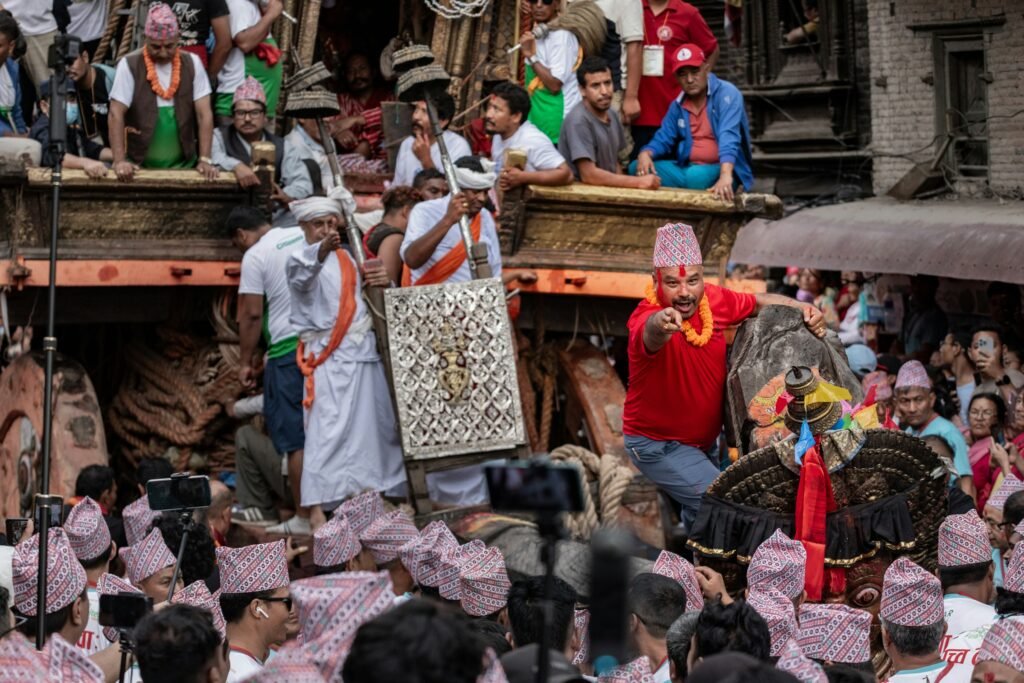
Bisket Jatra is one of the most thrilling and visually intense festivals in Nepal, celebrated in the historic town of Bhaktapur. At its heart is a dramatic chariot-pulling ritual, where large wooden chariots are tugged through narrow streets in a symbolic contest between two sides of the city.
The energy is raw and powerful, filled with cheering crowds, traditional music, and ancient rituals that date back centuries. The festival marks the transition into the New Year and reflects the eternal balance between opposing forces.
For travelers, Bisket Jatra is an unforgettable cultural spectacle offering a rare chance to witness living history in motion.
Sindoor Jatra
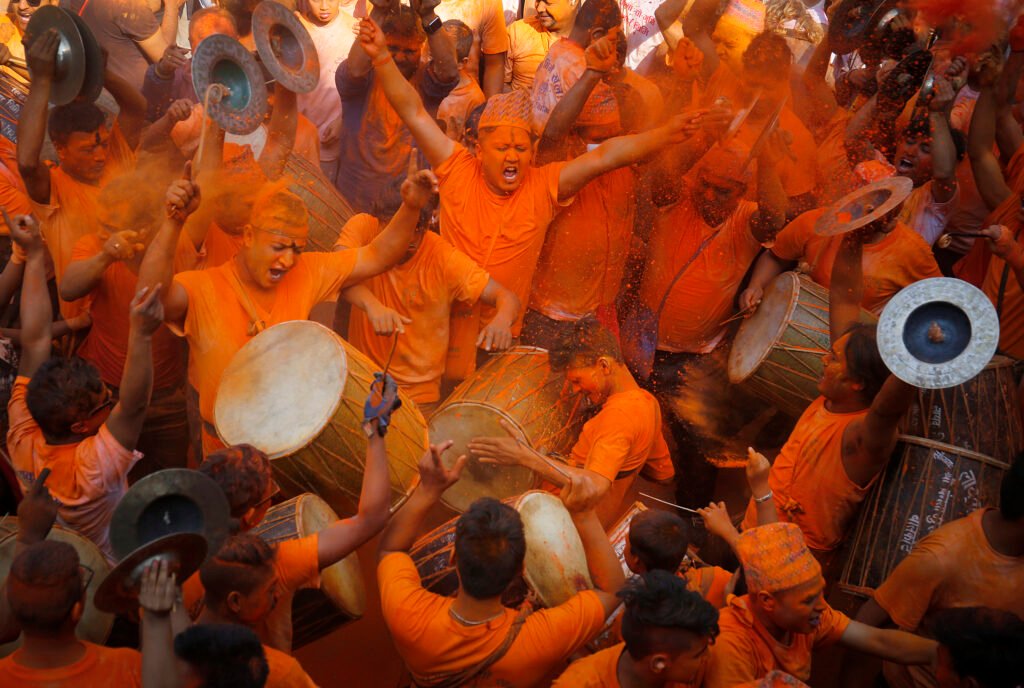
Sindoor Jatra transforms the town of Madhyapur Thimi,Bhaktapur into a sea of red, as participants joyfully throw vermillion powder(Sindoor) into the air. The vibrant red symbolizes prosperity, celebration, and communal harmony.
Processions move through the streets accompanied by traditional music and rhythmic drums, creating a lively and energetic atmosphere. The sense of unity is powerful, as locals and visitors alike are welcomed into the celebration.
For photographers and cultural enthusiasts, this festival offers one of the most visually striking experiences in Nepal.
Seto Machhindranath Jatra
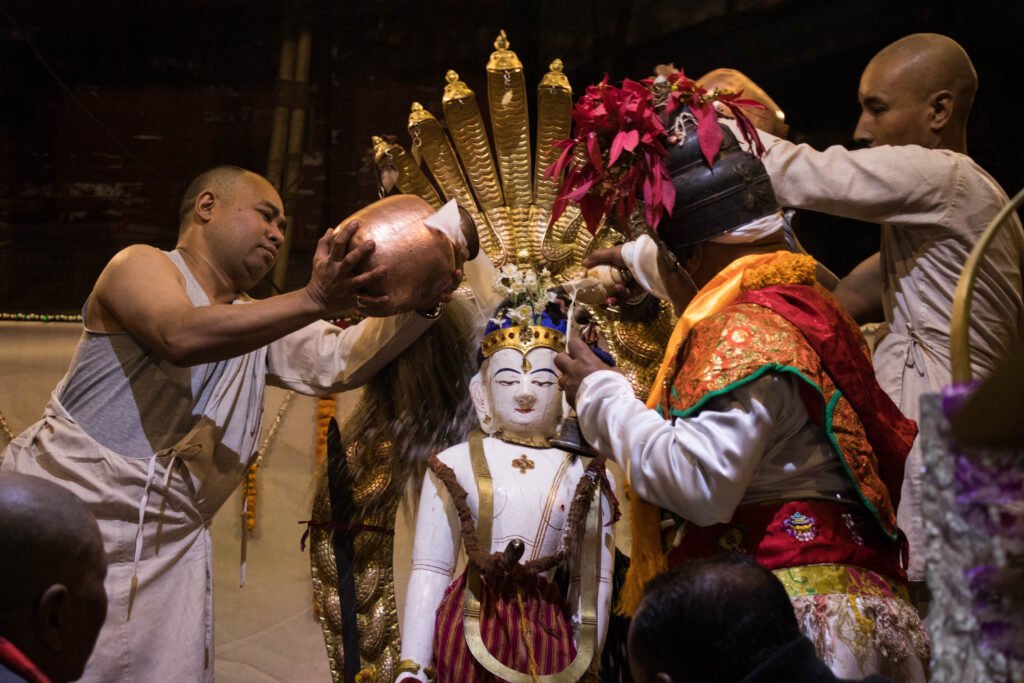
This sacred chariot festival is held in Kathmandu to honor Seto Machhindranath, a deity associated with rain and prosperity. A towering chariot is pulled through the old city, stopping at key locations where devotees gather to offer prayers and receive blessings.
The procession moves slowly, allowing time for rituals, community interaction, and spiritual reflection. The atmosphere is deeply rooted in tradition, yet welcoming to all.
For visitors, it offers a rare opportunity to witness Kathmandu’s ancient streets come alive with devotion and cultural pride.
Buddha Jayanti
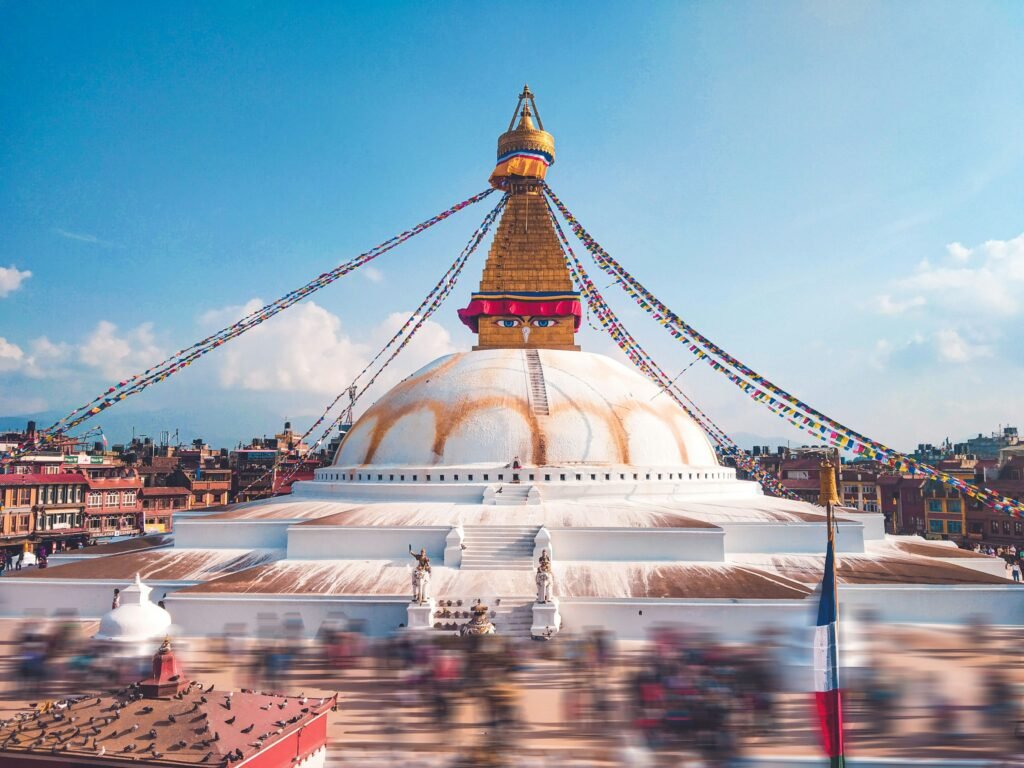
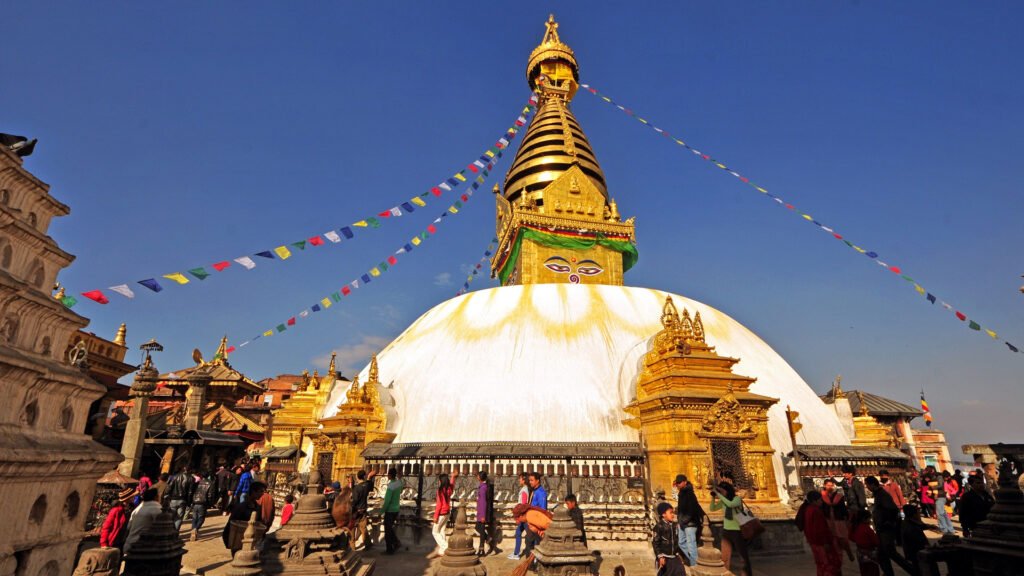
Buddha Jayanti is one of the most sacred and peaceful festivals in Nepal, marking the birth, enlightenment, and Mahaparinirvana (passing away) of Lord Buddha. Celebrated on the full moon day of Jestha, this festival holds deep significance for both Buddhists and Hindus across the country.
The day begins early with devotees visiting holy sites such as Swayambhunath Stupa and Boudhanath Stupa, where monasteries are beautifully decorated with prayer flags, butter lamps, and flowers. The air fills with the sound of chanting monks, spinning prayer wheels, and the gentle rhythm of spiritual hymns.
Devotees light butter lamps as a symbol of wisdom and offer prayers for peace, compassion, and harmony. Many people observe acts of kindness, donate food, release birds, and avoid consuming meat as part of the celebration. The entire atmosphere reflects the teachings of Buddha non-violence, mindfulness, and inner peace.
For travelers, Buddha Jayanti offers a rare opportunity to witness Nepal in its most serene and spiritual form. The calm energy, combined with sacred rituals and cultural devotion, creates a deeply meaningful experience that stays with you long after your visit.
Rato Machhindranath Jatra
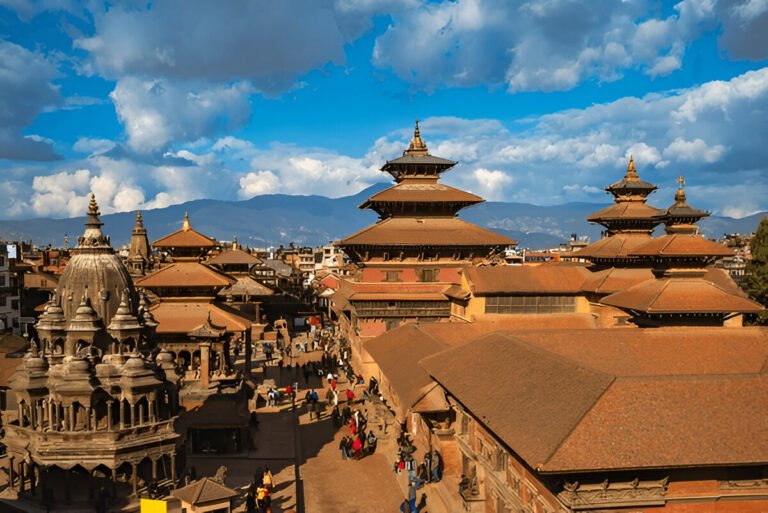
Rato Machhindranath Jatra is one of the oldest and longest festivals in Nepal, celebrated in Patan (Lalitpur) to honor Rato Machhindranath, revered as the god of rain and compassion. This festival is deeply connected to the agricultural cycle, as timely rainfall is essential for a successful harvest in the Kathmandu Valley.
The highlight of the festival is the massive, towering chariot, built from wood and ropes using traditional techniques. It is carefully pulled through different neighborhoods of Patan such as Pulchowk, Gabahal, Mangal Bazaar, and Lagankhel over several weeks. The movement is slow and deliberate, often requiring great effort and coordination, symbolizing patience, unity, and collective devotion.
Each stop along the route becomes a moment of celebration. Locals gather to offer prayers, light lamps, and receive blessings, while traditional music fills the air. The streets come alive with spectators, cultural rituals, and a strong sense of community participation that has been preserved for generations.
A significant highlight of the festival is “Bhoto Jatra”, the grand concluding ceremony held in Jawalakhel. During this event, a sacred jeweled vest (bhoto) is displayed to the public in the presence of government officials and thousands of devotees. The origin of the bhoto is tied to an ancient legend, adding mystery and cultural depth to the celebration.
For visitors, Rato Machhindranath Jatra offers a rare opportunity to witness a living tradition where mythology, faith, and daily life intertwine. The energy, devotion, and scale of the festival make it one of the most immersive cultural experiences in Nepal especially for those staying in Kathmandu and exploring nearby Patan.
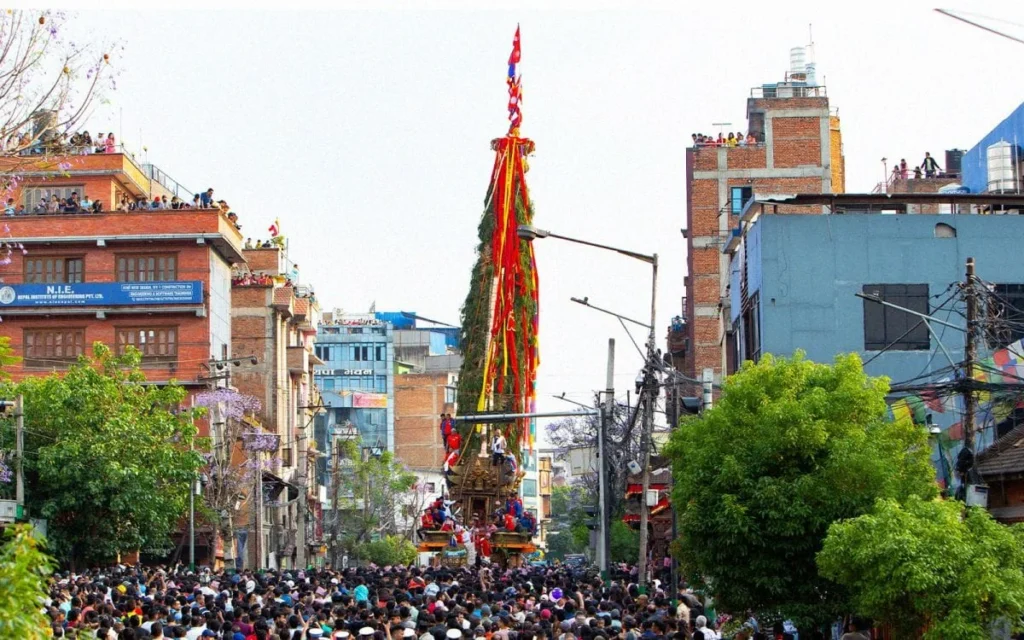
Krishna Janmashtami
Krishna Janmashtami celebrates the divine birth of Lord Krishna, one of the most beloved deities in Hindu tradition, known for his teachings of love, dharma, and devotion. Observed on the eighth day (Ashtami) of the dark fortnight in Bhadra, this festival holds deep spiritual significance across Nepal.
From early morning, devotees begin fasting and visit temples dedicated to Krishna, especially Krishna Mandir, which becomes the center of grand celebrations. The temple is beautifully illuminated with oil lamps, flowers, and decorative lights, creating a divine and welcoming atmosphere. Long lines of devotees gather patiently to offer prayers, sing bhajans, and seek blessings.
As the day progresses, the spiritual energy intensifies with continuous chanting, recitation of sacred texts like the Bhagavad Gita, and devotional music. Many devotees observe a strict fast until midnight, the believed time of Krishna’s birth. At midnight, temples erupt in celebration with bells, conch shells, and joyous chanting, marking the arrival of Krishna.
Communities such as the Krishna Pranami follow the festival with special devotion, focusing on teachings of unity, peace, and spiritual knowledge. Cultural programs, storytelling, and devotional gatherings are organized to reflect Krishna’s life and philosophy.
For visitors, Krishna Janmashtami offers a deeply peaceful yet vibrant experience. The blend of devotion, music, and sacred rituals creates a calming atmosphere, allowing travelers to witness Nepal’s spiritual depth in an intimate and meaningful way.
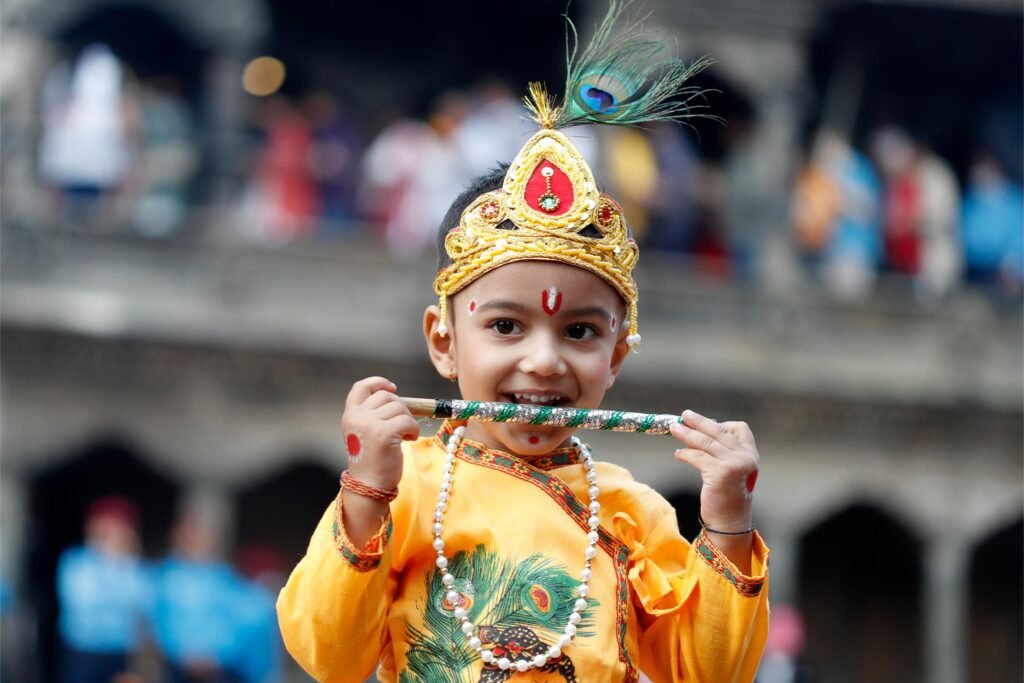
Gai Jatra
Gai Jatra is one of Nepal’s most unique and emotionally rich festivals, primarily celebrated in Kathmandu Valley, including Kathmandu, Bhaktapur, and Patan. The festival is dedicated to remembering those who have passed away during the year, helping families honor their loved ones in a meaningful and communal way.
On this day, families who have lost a member lead a cow through the streets or dress a child as a cow believed to help guide the departed soul safely to the afterlife. The cow, considered sacred in Hindu tradition, symbolizes a spiritual guide, making the procession both symbolic and deeply personal.
What makes Gai Jatra truly distinctive is its blend of mourning with humor and satire. Traditionally, people perform comedic acts, street dramas, and humorous performances that openly critique society, politics, and even authority. This tradition dates back to the Malla period, when a king encouraged laughter to help a grieving queen cope with loss.
The streets come alive with colorful processions, traditional music, and cultural displays, creating a lively yet meaningful atmosphere. While the festival begins with remembrance, it gradually transforms into a celebration of life, resilience, and community strength.
For visitors, Gai Jatra offers a rare cultural insight into how Nepalese society embraces both grief and joy together. It is not just a festival, but a powerful expression of healing, unity, and the enduring human spirit.
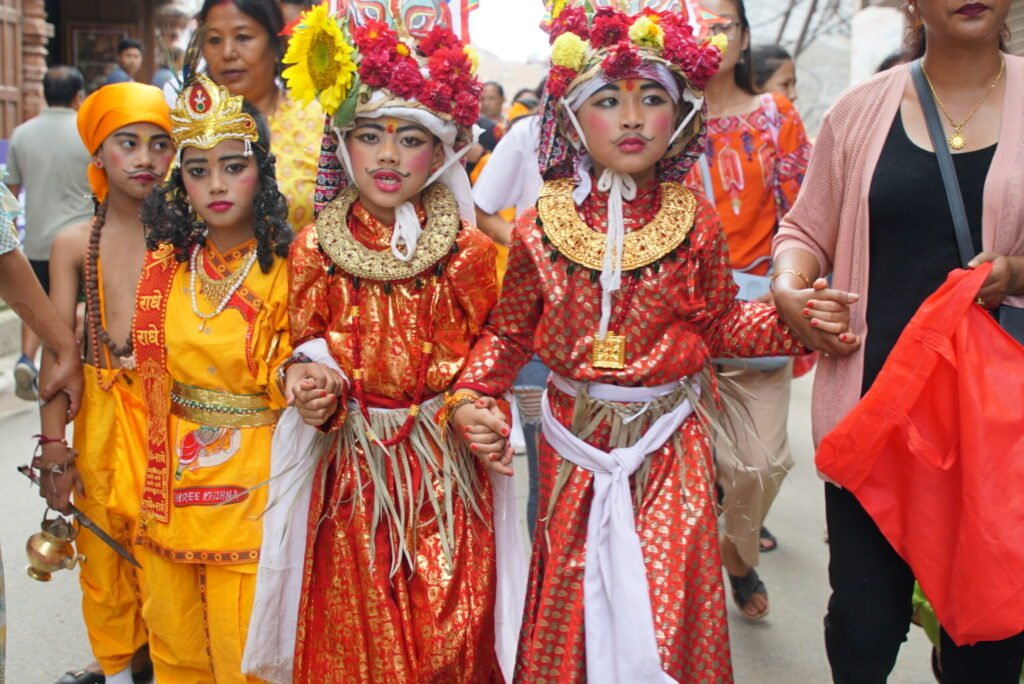
Indra Jatra
Indra Jatra is one of the most spectacular and culturally rich festivals of Kathmandu, dedicated to Lord Indra, the god of rain and king of heaven. Deeply rooted in Newari tradition, this festival marks the end of the monsoon season and expresses gratitude for rainfall and a successful harvest.
The celebrations begin at Kathmandu Durbar Square with the erection of a sacred wooden pole known as Yosin, symbolizing Indra’s presence. From that moment, the city transforms into a vibrant stage filled with rituals, music, and traditional performances.
One of the most captivating highlights is the series of masked dances, including the famous Lakhey dance, where performers in elaborate costumes reenact mythological stories. Alongside this, beautifully decorated chariots carry the Living Goddess Kumari, along with deities Ganesh and Bhairav, through the streets, allowing devotees and visitors to receive blessings.
The festival is not only spiritual but also deeply communal. Locals gather in large numbers, streets are lined with lights and offerings, and the atmosphere is filled with excitement and devotion. Another striking feature is the display of the fierce face of Bhairav, from which sacred beverages are traditionally distributed.
For visitors, Indra Jatra offers a rare and immersive glimpse into Kathmandu’s living heritage. It is a time when ancient traditions, royal history, and vibrant street life come together creating an unforgettable cultural experience right in the heart of the city.
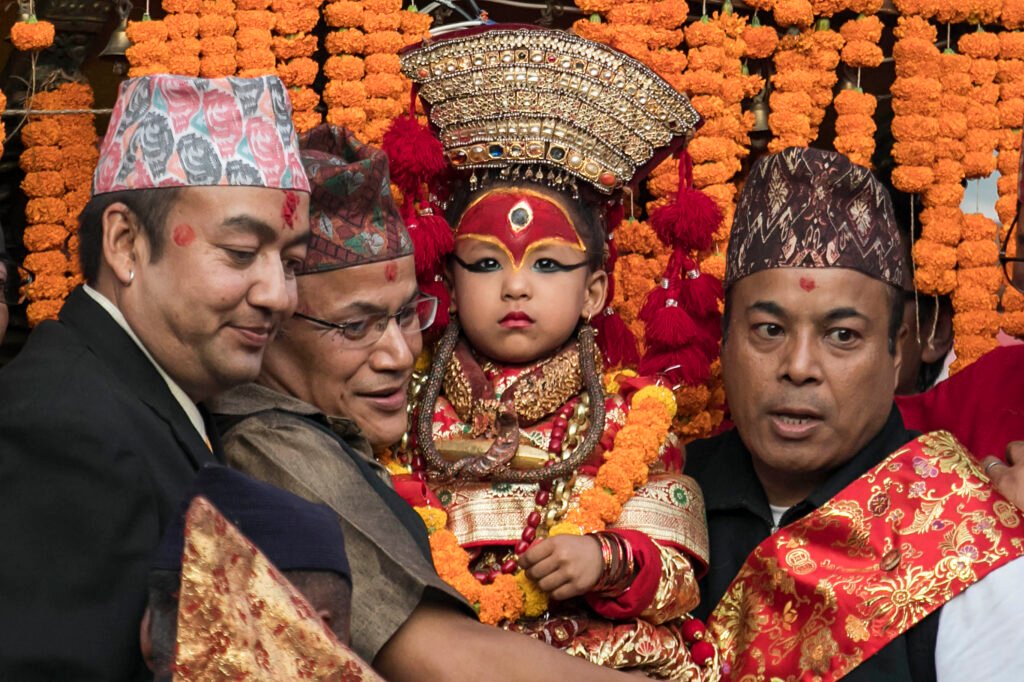
Dashain
Dashain is the longest and most significant festival in Nepal, celebrated over 15 days to honor the victory of Goddess Durga over evil forces. It is a time of family reunions, blessings, and deep spiritual connection. Across the country, homes are cleaned, decorated, and filled with joy as people return to their hometowns to celebrate together.
Key Events of Dashain:
- Ghatasthapana
This marks the official beginning of Dashain. Sacred barley seeds (jamara) are planted in a worship room, symbolizing growth, prosperity, and the presence of Goddess Durga. Devotees begin daily worship from this day.
- Fulpati
On this day, sacred flowers, banana stalks, and jamara are brought into homes in a ceremonial procession. In Kathmandu, a royal tradition continues where Fulpati is carried from Gorkha to the capital, adding historical significance.
- Maha Ashtami
This day is dedicated to Goddess Kali. Devotees perform intense worship, and in some traditions animal sacrifices are offered as a symbol of devotion and protection from evil.
- Maha Navami
The final day of worship before Tika. Tools, vehicles, and machinery are blessed, recognizing them as sources of livelihood. Temples and homes hold special rituals honoring Durga.
- Vijaya Dashami (Tika)
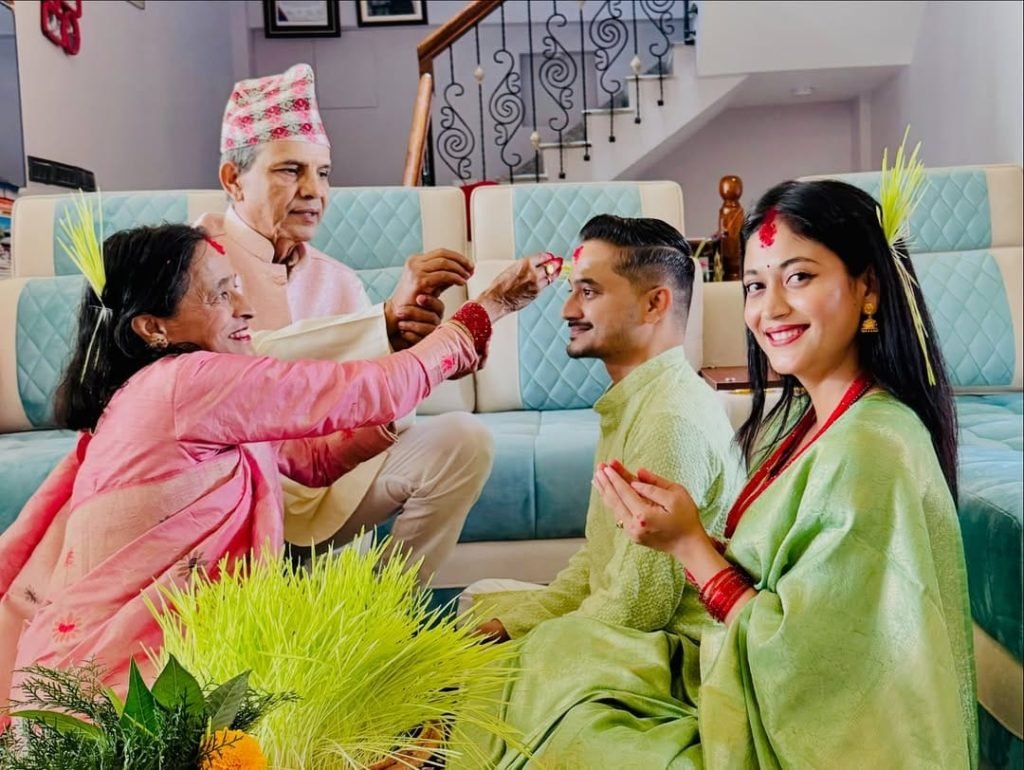
The most important day of Dashain. Elders apply tika (a mixture of rice, yogurt, and vermillion) and jamara on younger family members, giving blessings for health, success,and prosperity. Families visit relatives over the following days to receive blessings.
Dashain transforms Nepal into a celebration of family, tradition, and gratitude. From flying kites in open skies to enjoying traditional feasts and bamboo swings, the entire country embraces a festive warmth.
For visitors, Dashain offers a rare opportunity to witness Nepali culture at its most personal and meaningful where every ritual carries generations of tradition and every home opens its doors with hospitality.
Tihar
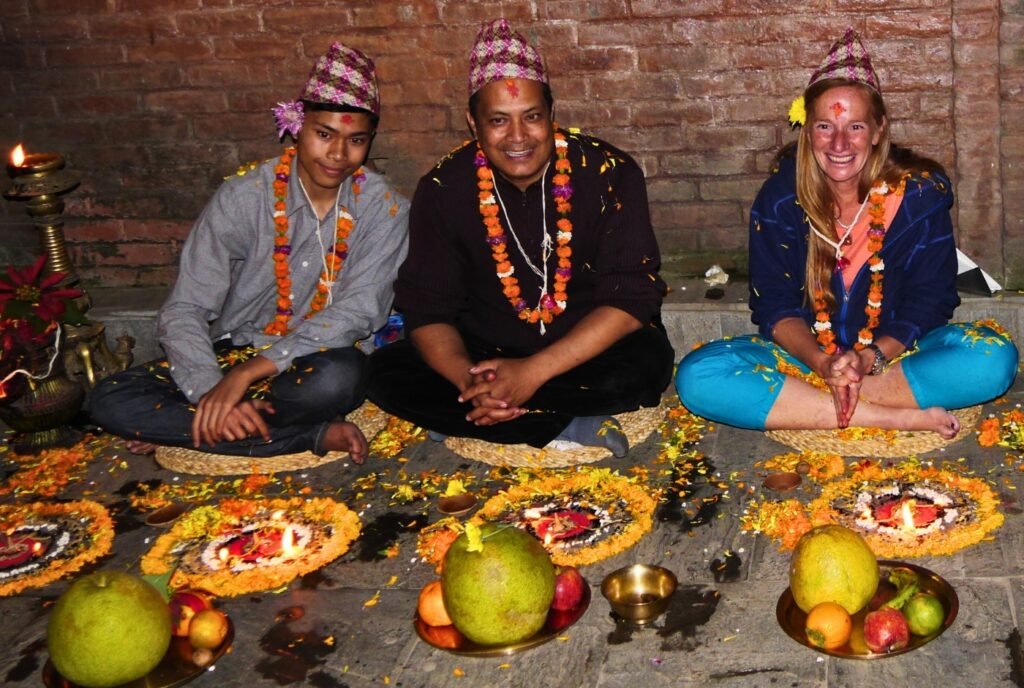
Tihar, also known as the festival of lights, is one of Nepal’s most beautiful and emotionally meaningful celebrations. Spanning five days, it honors the deep connection between humans, animals, nature, and the divine. As the festival unfolds, homes and streets across Nepal glow with oil lamps, candles, and colorful rangoli, creating a magical and welcoming atmosphere.
Key Days of Tihar:
• Day 1: Kaag Tihar (Crow Tihar)
The festival begins with the worship of crows, believed to be messengers of Yama, the god of death. Offerings of food are placed on rooftops to appease them and prevent sorrow or misfortune. This day reflects respect for nature and unseen spiritual connections.
• Day 2: Kukur Tihar (Dog Tihar)
Dogs, known for their loyalty and protection, are honored with garlands (mala), tika, and special food. Both pets and stray dogs are celebrated, symbolizing gratitude for their companionship and role as guardians.
• Day 3: Gai(Cow)Tihar & Laxmi Puja
In the morning, cows are worshipped as symbols of wealth and prosperity. In the evening, Goddess Laxmi; the goddess of wealth is invited into homes through lights, prayers, and beautifully decorated entrances. Houses shine brightly, creating one of the most enchanting nights of the year.
• Day 4: Govardhan Puja / Mha Puja
This day varies by community. Hindus worship Govardhan Mountain, symbolizing nature’s protection, while the Newar community celebrates Mha Puja; a ritual of self-purification and self-respect. It marks inner reflection and spiritual renewal.
• Day 5: Bhai Tika
The final and most emotional day celebrates the bond between brothers and sisters. Sisters apply colorful tika on their brothers’ foreheads, pray for their long life, and exchange gifts. It is a deeply heartfelt tradition that strengthens family ties.
Throughout Tihar, the nights are filled with Deusi-Bhailo songs, where groups go from house to house singing, dancing, and spreading festive cheer. The entire country becomes alive with light, laughter, and music.
For visitors, Tihar offers an unforgettable experience where every street sparkles, every home feels welcoming, and every moment reflects warmth, joy, and togetherness.
Chhath
Chhath is one of the most spiritually profound and disciplined festivals celebrated in Nepal, dedicated to the worship of the Sun God (Surya) and Chhathi Maiya. Deeply rooted in ancient Vedic traditions, it is especially significant in the Terai region but is now widely observed in Kathmandu, where riverbanks and ponds become sacred gathering spaces.
What makes Chhath truly unique is its emphasis on purity, simplicity, and unwavering devotion. Devotees observe strict fasting and prepare for the festival through ritual cleansing and mindful living. Every act during Chhath is performed with intention and respect for nature, reflecting a deep spiritual connection between humans and the natural world.
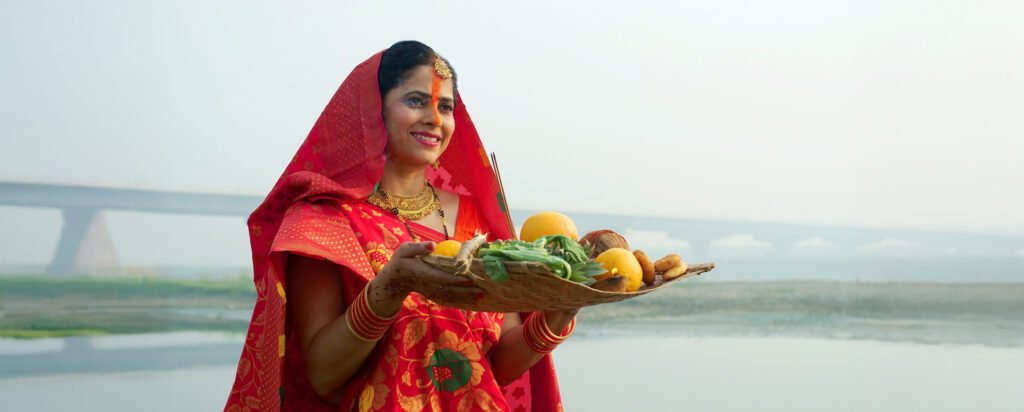
As the festival unfolds, devotees gather at water bodies during sunset and sunrise, standing in calm waters while offering prayers. The sight of hundreds of people in quiet devotion, with the soft glow of sunlight reflecting on the water, creates a breathtaking and almost meditative atmosphere. Traditional songs dedicated to the Sun God fill the air, adding a gentle rhythm to the spiritual experience.
Unlike many other festivals, Chhath is marked by silence, discipline, and collective faith rather than loud celebration. It highlights gratitude for life, energy, and nature, making it one of the most environmentally and spiritually connected festivals in Nepal.
For visitors, Chhath offers a rare and powerful cultural experience one that is calm, deeply moving, and visually unforgettable. It allows travelers to witness Nepal’s spiritual essence in its purest and most authentic form.
Tamu Losar
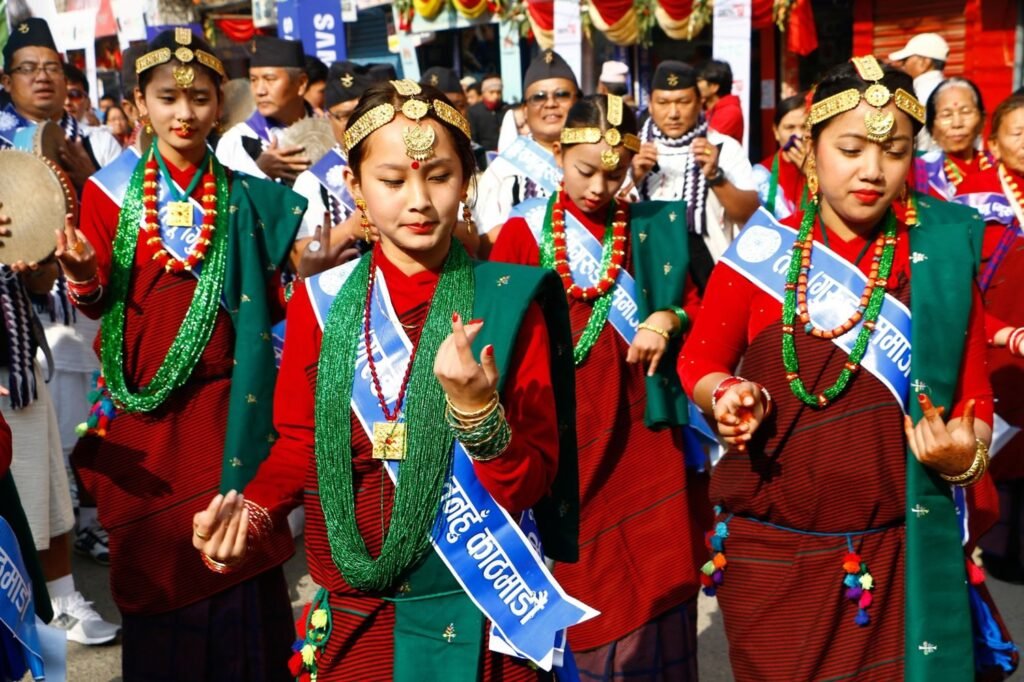
Tamu Losar marks the New Year of the Gurung community and is celebrated with vibrant energy, cultural pride, and deep-rooted traditions. It is a time when families and communities come together to welcome a new beginning, leaving behind the past year with gratitude and stepping into the future with joy and hope.
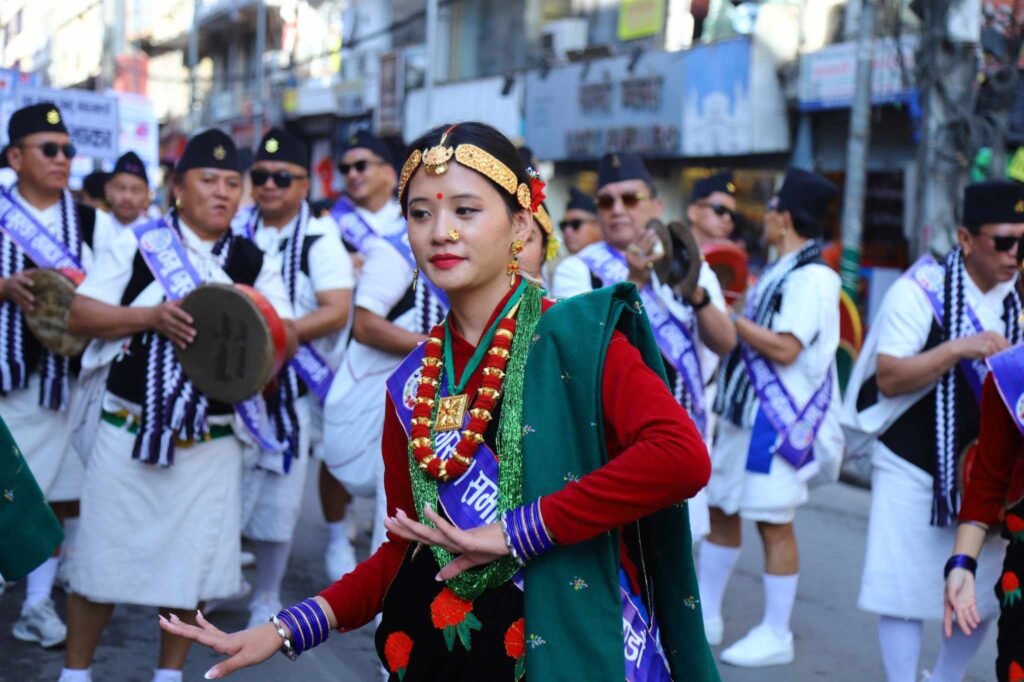
On this day, people dress in beautiful traditional Gurung attire, adorned with ornaments that reflect their heritage and identity. The streets and community spaces come alive with colorful processions, cultural performances, and gatherings that showcase the richness of Gurung culture. Traditional music, especially the rhythmic beats of local instruments, fills the air, creating an atmosphere of celebration and unity.
Food plays an important role in Tamu Losar, with families preparing and sharing traditional dishes as a symbol of togetherness and hospitality. Elders bless the younger generation, and communities organize events that strengthen social bonds and cultural continuity.
Beyond celebration, Tamu Losar represents identity, unity, and cultural preservation. It is a proud expression of the Gurung community’s history and traditions, passed down through generations.
For visitors, Tamu Losar offers a lively and immersive cultural experience where music, dance, and tradition come together in a joyful celebration that reflects the diversity and warmth of Nepal’s cultural landscape.
Sonam Losar
Sonam Losar marks the New Year of the Tamang community and is celebrated with vibrant traditions, spiritual rituals, and strong cultural identity. It is a time of renewal, where families come together to welcome a fresh beginning with positivity, joy, and gratitude.
The day begins with visits to monasteries, where devotees offer prayers, light butter lamps, and seek blessings for peace and prosperity. Monasteries and homes are beautifully decorated with prayer flags and traditional elements, creating a colorful and spiritual atmosphere. The sound of chants and traditional music adds to the festive energy.
Communities celebrate with lively cultural performances, including traditional Tamang dances like Syabru, where people move in rhythm wearing elegant cultural attire. Families prepare special festive foods and gather to share meals, strengthening bonds and preserving traditions passed down through generations.
Sonam Losar is not just a celebration, but a reflection of heritage, unity, and cultural pride. It showcases the richness of Tamang traditions and their deep connection to spirituality and community life.
For visitors, the festival offers a joyful and immersive cultural experience filled with color, music, and warmth providing a deeper understanding of Nepal’s diverse ethnic traditions.
Maha Shivaratri
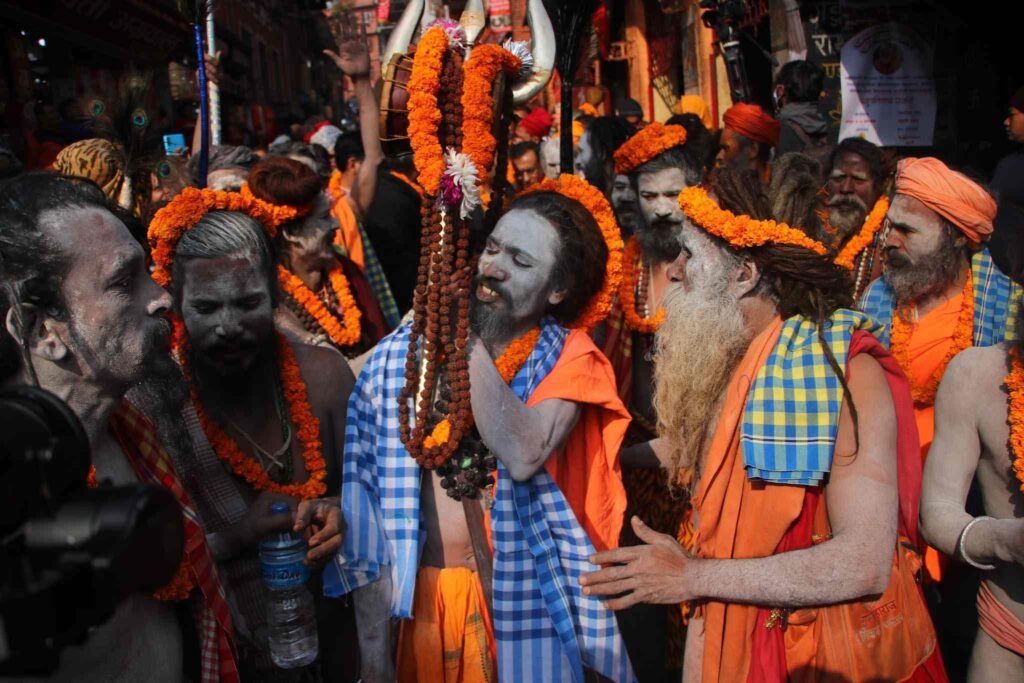
Maha Shivaratri is one of the most sacred and widely celebrated festivals in Nepal, dedicated to Lord Shiva. Observed across the country, the heart of the celebration lies at Pashupatinath Temple, where thousands of devotees gather to offer prayers and seek blessings.
What makes this festival truly extraordinary is the presence of Sadhus (holy men and women) who travel from different parts of Nepal and India. Covered in ash, dressed in traditional attire, and immersed in meditation, they create a powerful and mystical spiritual atmosphere that is unique to Shivaratri.
Devotees observe fasting, visit temples, and offer sacred items such as belparta(bael leaves), milk, and water to Shiva Lingas. As night falls, the energy intensifies with continuous chanting of “Om Namah Shivaya,” lighting of oil lamps, and devotional songs that continue throughout the night.
The temple surrounding areas remain alive with faith, fire rituals, and spiritual gatherings, creating an experience that is both intense and deeply calming at the same time.
For visitors, Maha Shivaratri offers a rare glimpse into Nepal’s spiritual depth where devotion, tradition, and mysticism come together in one of the most powerful religious celebrations in the country.
Holi
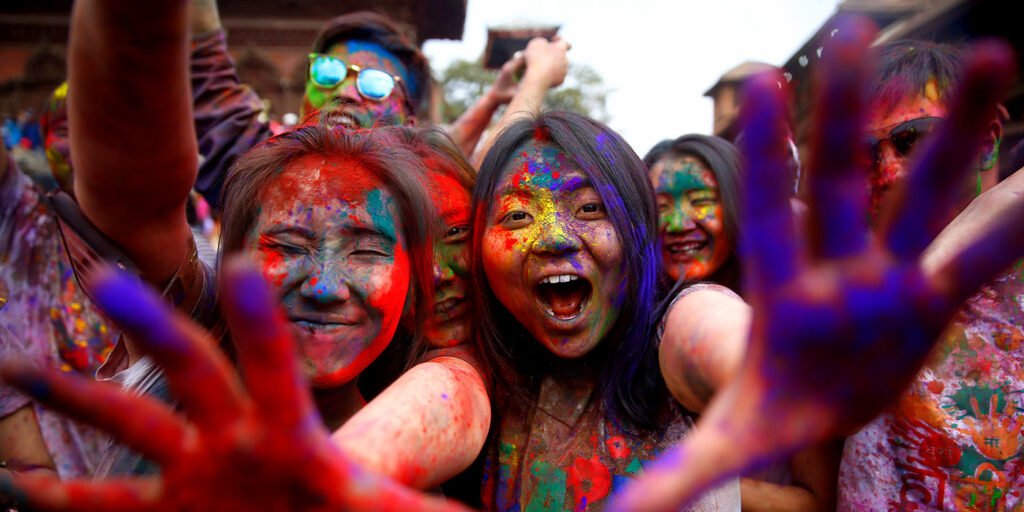
Holi, known as the festival of colors, is one of the most joyful and energetic celebrations in Nepal, marking the arrival of spring and the victory of good over evil. What makes Holi in Nepal unique is its two-day celebration first observed in the hilly regions like Kathmandu and Pokhara, followed by the Terai region the next day.
In the days leading up to Holi, a ceremonial pole known as Chir(a ceremonial bamboo pole decorated with pieces of colorful cloth) is erected, symbolizing the beginning of the festivities. As the main day arrives, streets transform into a vibrant playground of colors where people throw colored powders (gulal), splash water, and celebrate with music and dance. Friends, families, and even strangers come together, breaking social barriers and sharing laughter and joy.
The atmosphere is filled with festive music, water balloons, and cheerful gatherings, especially in areas like Thamel and Basantapur, where locals and tourists celebrate together. The spirit of Holi lies in unity, forgiveness, and renewal, making it a time to let go of past grievances and embrace happiness.
For visitors, Holi offers a truly immersive and unforgettable experience where every street becomes a celebration, every face is filled with color, and every moment reflects the vibrant and welcoming spirit of Nepal.
Gyalpo Losar
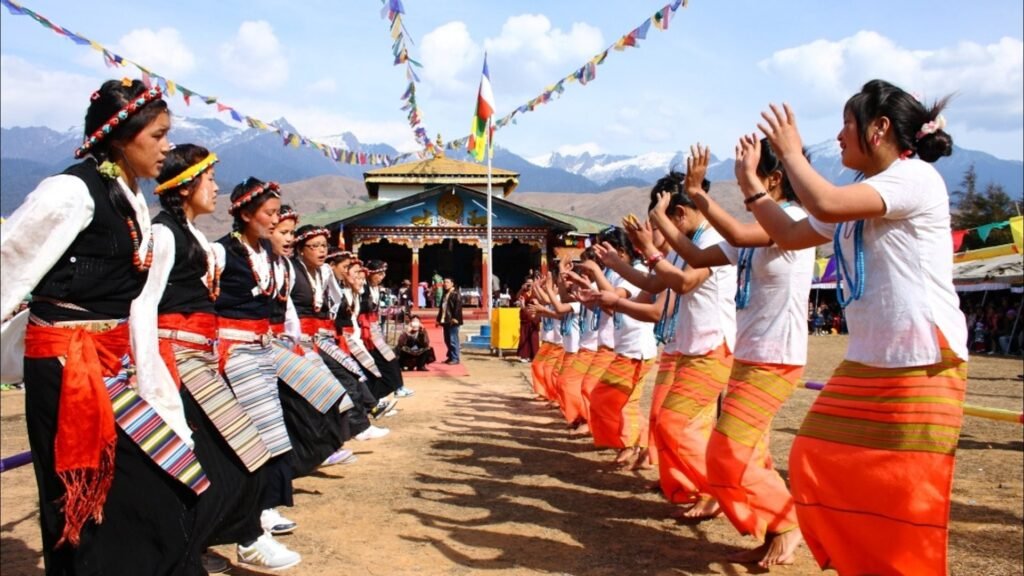
Gyalpo Losar marks the New Year of the Sherpa community and is one of the most important festivals in the Himalayan regions of Nepal. It is a time of renewal, celebration, and spiritual reflection, welcoming a fresh year with hopes of prosperity, happiness, and harmony.
The festival is deeply rooted in Tibetan Buddhist traditions, where monasteries become the center of celebrations. Devotees visit sacred monasteries to offer prayers, light butter lamps, and perform rituals seeking blessings for peace and good fortune. The spiritual energy during this time is calm yet powerful, reflecting the deep connection between faith and daily life.
Throughout the celebration, families and communities gather wearing traditional attire, sharing festive meals, and exchanging greetings. Cultural performances such as traditional Sherpa dances and music bring life to the celebrations, showcasing the rich heritage of the Himalayan people.
The atmosphere during Gyalpo Losar is both joyful and serene colorful decorations, prayer flags fluttering in the mountain breeze, and the sound of chants create a deeply spiritual environment.
For visitors, Gyalpo Losar offers a rare opportunity to experience authentic Himalayan culture, where tradition, spirituality, and community come together in a beautiful and meaningful way.
Final Note
Nepal’s festivals are not just events they are experiences that connect people, traditions, and spirituality. Since we follow a lunar calendar, every year brings a slightly different rhythm of celebrations.
Staying at Hotel Jampa allows you to be at the heart of these cultural moments, making your visit to Nepal truly unforgettable.