
Best Time To Visit Nepal In Monsoon : Experience The Magic With Hotel Jampa, Thamel
A Season of Serenity and Surprise
Most travelers think of Nepal as a highland destination with snow-covered peaks, perfect for spring and autumn trekking. Yet, tucked away in the folds of the Himalayas is a hidden gem of a season: the Nepali monsoon. From mid-June to early September, the monsoon brings life to the land, washing away the dust and dryness of summer and painting the valleys in dazzling shades of green. For those who dare to explore Nepal during this rare travel window, the rewards are rich: peaceful cities, misty mountains, flowing waterfalls, and a deep dive into authentic Nepali culture.
The monsoon brings a rhythmic transformation to the country. After months of dry weather and dusty roads, the first rains arrive like a blessing. They wash the land clean, recover rivers, and turn the hillsides into a sea of rare green. The air becomes fresh, the temperature softens, and nature flourishes in full glory.
This is a season of renewal and rhythm — when the soil smells of rain, when farmers in the villages begin planting rice, when city temples glisten under rain-washed skies, and when waterfalls roar with newfound energy. It’s also a time when fewer tourists roam the streets, giving you space to experience Nepal in its most natural, unfiltered form.
If you’re looking for a place that offers comfort, service, and the perfect location to explore the magic of the monsoon, look no further than Hotel Jampa. Settled in the heart of Thamel, Kathmandu’s vibrant tourist district, Hotel Jampa serves as the ideal base for an unforgettable monsoon journey.
Understanding Nepal's Monsoon Season
The monsoon is more than just a weather pattern in Nepal — it’s a deeply seasonal cycle of renewal, rhythm, and life. Arriving with the warm, moisture-loaded winds from the Indian Ocean, the monsoon season slowly sweeps across the plains of the Terai and ascends into the lush mid-hills and the towering Himalayan foothills. This atmospheric shift typically begins around mid-June, reaches its full strength by mid-July, and gradually tapers off in early September.
Temperatures during this season are moderate and surprisingly pleasant. Cities like Kathmandu, Pokhara, and even Chitwan enjoy daily temperatures ranging between 20°C and 28°C, offering a cool refuge compared to the intense heat of neighboring regions like northern India. The air feels fresher due to the rain cleansing away dust and pollution, and visibility often improves dramatically after a downpour, revealing sweeping views of green hills, temples, and distant mountains.Though some high-altitude trekking routes, such as the Everest Base Camp or Annapurna Circuit, are less ideal during monsoon due to potential landslides and unpredictable cloud cover, this season offers an exceptional experience in Nepal’s mid-hill and lowland regions. Trails through places like Ghorepani, Shivapuri, or the community homestays around Annapurna remain accessible and are transformed by the monsoon—lush forests hum with birdlife, waterfalls thunder down cliffs, and the rice terraces glisten under soft light. Cultural travel, too, becomes more immersive during monsoon, with fewer crowds, more intimate encounters, and a sense of Nepal in its natural rhythm. Far from being a time to avoid, the monsoon offers a Nepal that is more alive, more generous, and more personal than any other season.
For first-time visitors or those accustomed to tropical climates, the word “monsoon” may recreate images of non-stop downpours, waterlogged streets, and skies. But in Nepal, the monsoon takes on a different character — gentle, rhythmic, often romantic in its expression.
Monsoon – Nepal’s Most Intimate Season
Nepal during the monsoon reveals a version of itself that many travelers never see—a landscape alive with renewal and a rhythm that echoes through every raindrop. Hillsides transform into glowing green terraces, rivers swell with glacial melt, and forests burst into bloom. The air is earthy and clean, washed by the rain, and the sky constantly shifts—clouds sweeping over the valleys like silk. There’s something profoundly humbling about watching the mist roll over Kathmandu’s ancient temples, or hearing the echo of prayer flags fluttering in a soft drizzle. This isn’t a Nepal of checklists and itineraries—it’s one of stillness, observation, and immersion.
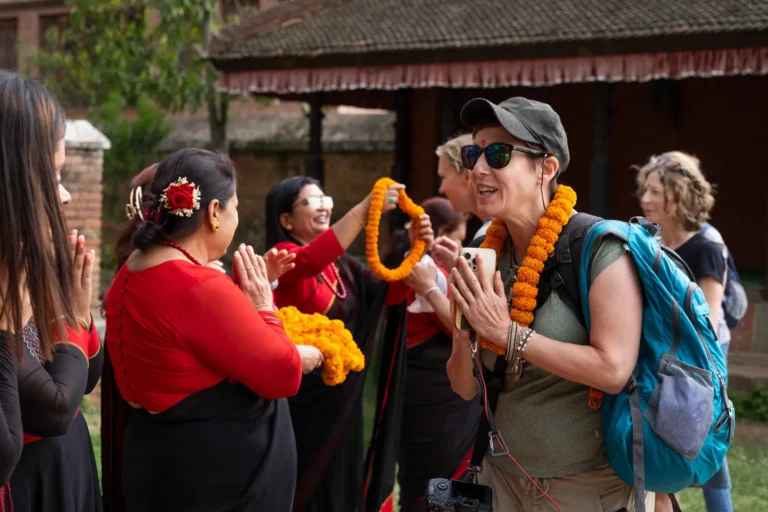
Culture, too, feels more alive during monsoon. The season coincides with Nepal’s most soulful festivals, from the joyful Ropain (rice planting) to the spiritual Janai Purnima. Villagers sing folk songs as they plant rice in muddy fields, while in the cities, rituals are held under rain-soaked canopies with quiet reverence. In Thamel, cafés glow with warmth, offering refuge with a hot cup of masala tea and the sound of rain tapping against the windows. You connect with people more deeply in the off-season—the hotel staff have time to share stories, artisans are working undisturbed, and you’re not just a visitor passing through, but part of a living, breathing cultural rhythm.
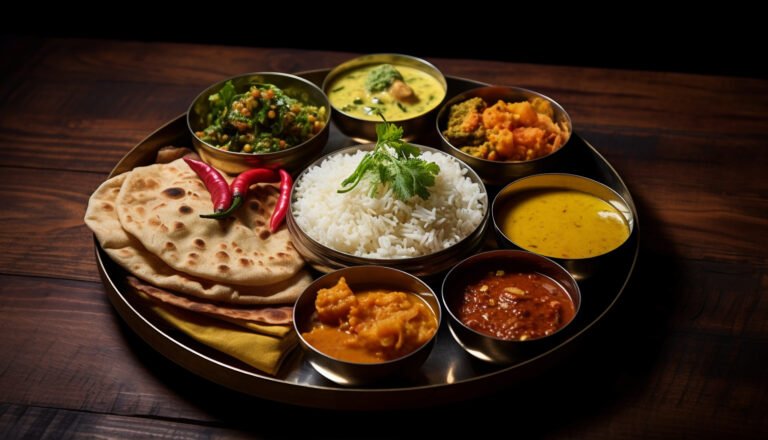
To experience Nepal in the monsoon is to experience it with your senses fully awake. It’s about savoring the slow mornings, hearing the rain before seeing it, feeling the cool stone of an ancient stupa beneath your hands, and tasting local dishes that warm the soul. It's a time for introspection and quiet discovery—for mountain trails softened by rain, for laughter shared under umbrellas, and for finding meaning in moments that the crowds of peak season might miss. So don’t just visit Nepal. Feel it. Listen to it. Let it soak into your spirit. And perhaps, just perhaps, the monsoon is the season that will show you the country at its most honest and heartfelt.
Why the Monsoon is Worth Experiencing ?
Yes, the monsoon brings rain — but not the all-day downpours some might expect. Instead, rain typically falls in short, powerful bursts, often in the late afternoon or at night. Mornings are often clear, and early afternoons offer great opportunities for sightseeing, photography, and relaxed travel. The mood is slower, the air is cleaner, and the country is definitely alive.The rains breathe new life into Nepal’s landscapes. Hills turn bright emerald green, waterfalls crash down cliffsides with fresh energy, and rice paddies shimmer under cloudy skies. Trekking routes at lower altitudes feel like enchanted forests, and rural trails become natural spas of fresh air and clean earth. Lakes like Phewa in Pokhara become mirrors reflecting the cloudy drama above. If you love nature at its most vibrant and cinematic, the monsoon is your season.
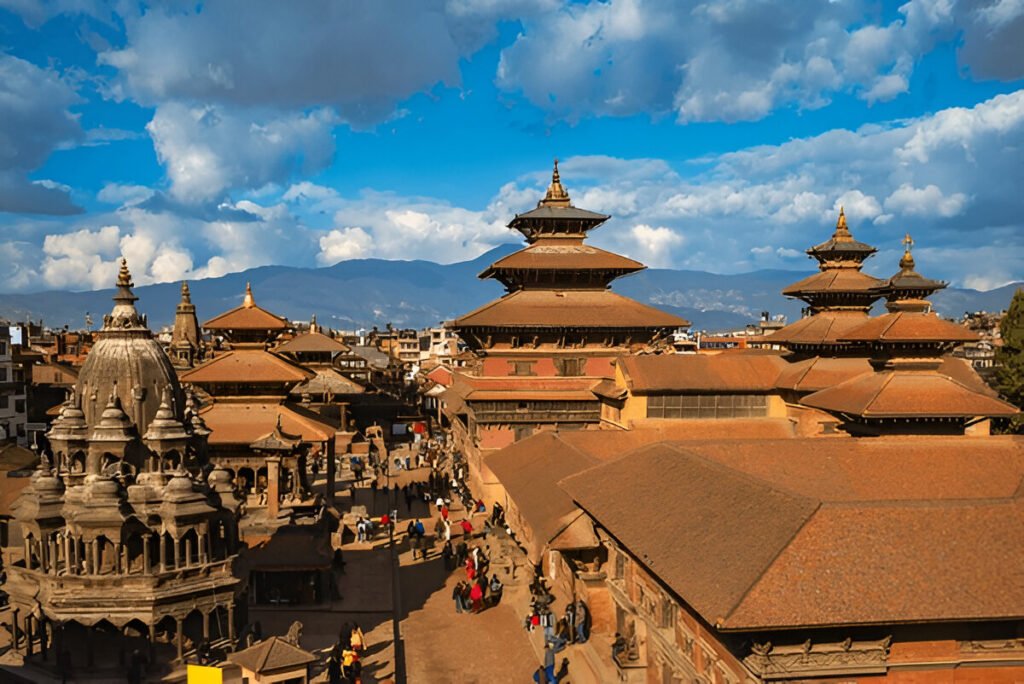
Imagine walking through the ancient streets of Kathmandu, the rain gently falling on centuries-old temples. The red-brick courtyards of Bhaktapur shine like polished stone, prayer flags flutter in the mist, and monks chant inside glowing shrines. Or picture standing at a viewpoint in Nagarkot at sunrise — clouds parting to reveal snow-capped Himalayan peaks behind the green rolling hills, a sight even more dramatic because of the contrast brought by the monsoon.
For nature lovers, artists, writers, or anyone looking to reconnect with something deeper, the monsoon provides a backdrop of mood and magic that is hard to find in any other season.Monsoon is when rural Nepal thrives. You can witness rice planting in full swing, join local festivals, and engage with communities in a way that's hard to do during the high tourist season. The monsoon offers stories you’ll remember far longer than your Instagram photos.It offers a feast for photographers. The lighting is diffused and magical—ideal for capturing portraits, landscapes, and cultural scenes. Kathmandu’s wet streets gleam like silver under the city lights. Fog drapes temple spires and stupas in a dreamy veil, while terraced fields burst with lush greens and village life. Whether you're using a DSLR or just a smartphone, this is the season where every frame tells a story.
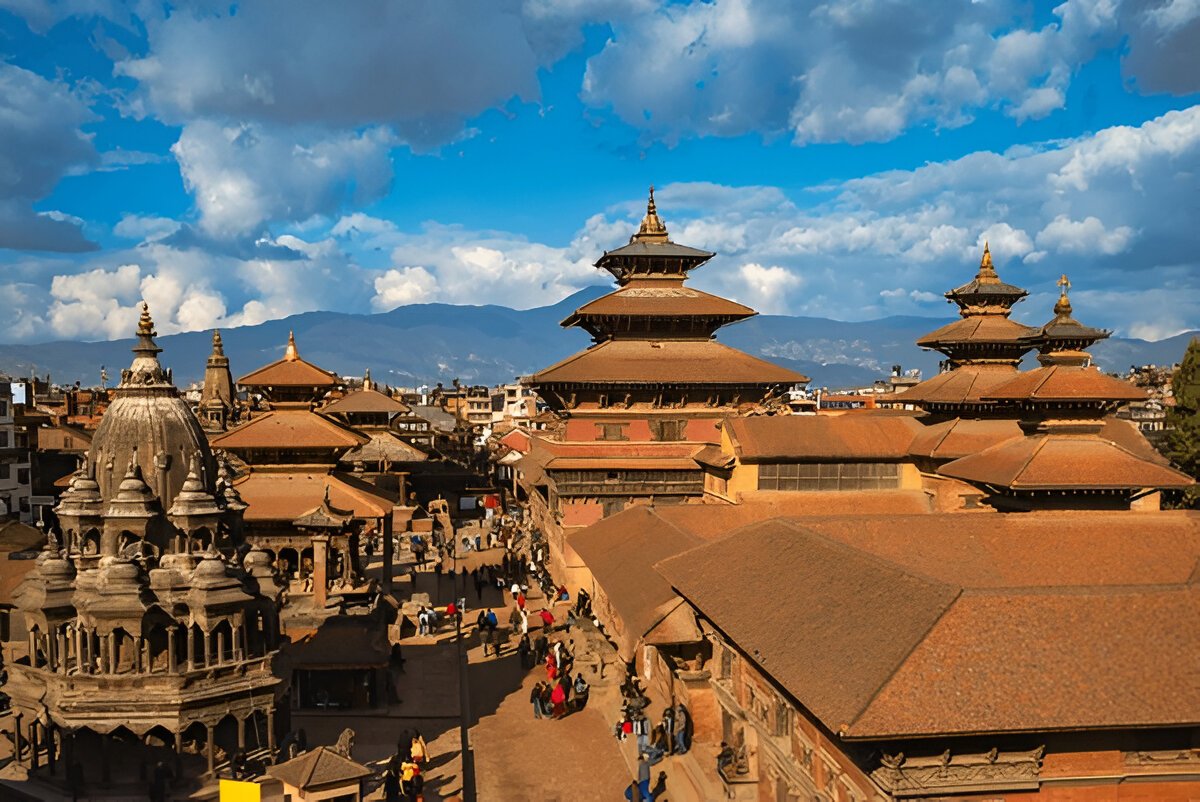
You can enjoy famous UNESCO World Heritage Sites like Swayambhunath (Monkey Temple), Boudhanath Stupa, and Patan Durbar Square almost all to yourself. There’s no rush to beat crowds, and you’ll often find peaceful moments where only the prayer flags flutter above you.Flights, tours, and accommodation — including at premium hotels like Hotel Jampa — often come at discounted rates during the monsoon.Tours, guides, and even memorial shopping become more budget-friendly. This is your chance to experience a luxury stay, cultural richness, and natural beauty—at a fraction of the high-season cost. This makes it a perfect season for budget-conscious luxury travelers.